

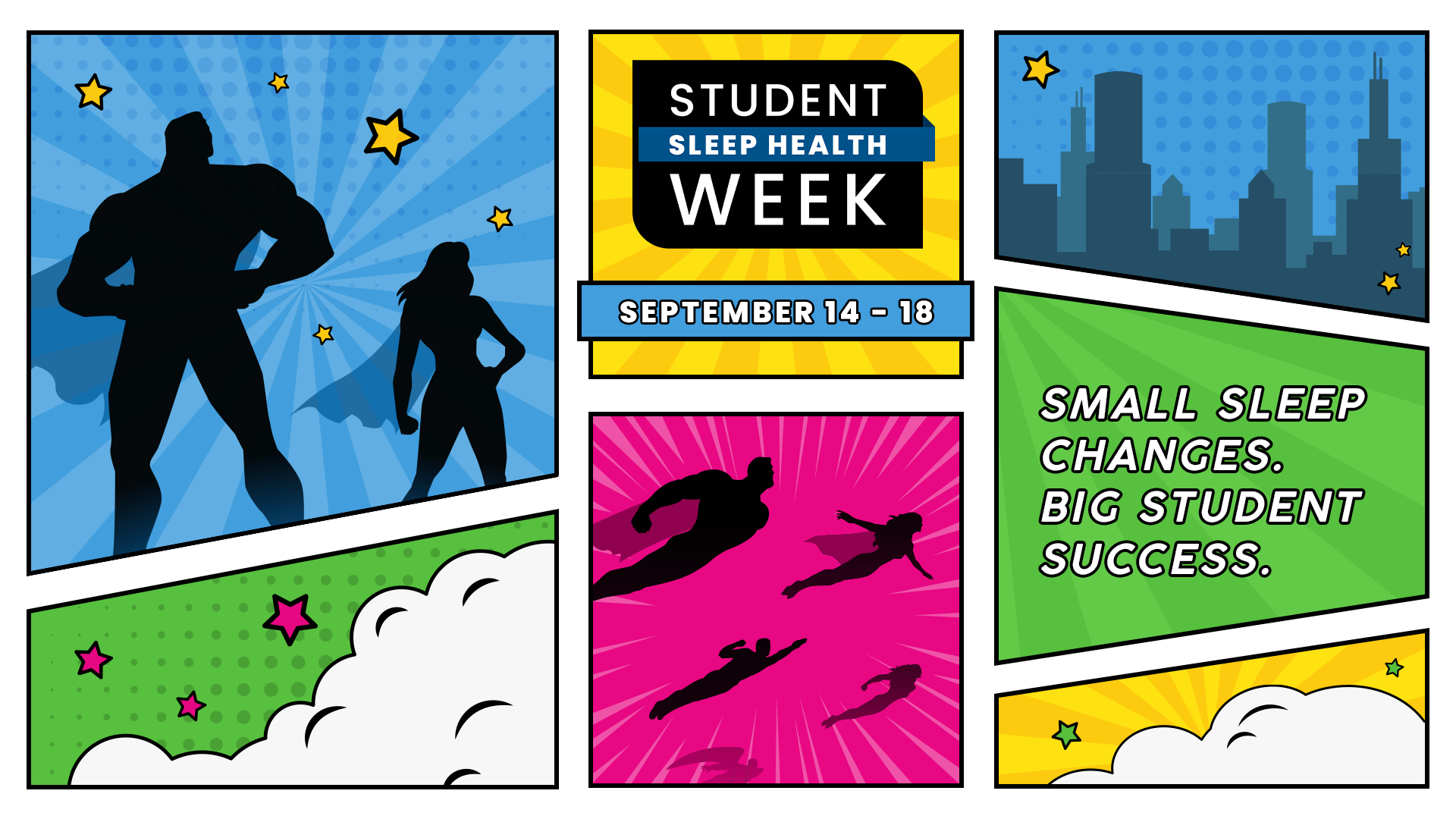
Sleep is Your Superpower
“Healthy sleep helps students learn, grow, focus, and feel their best.”
Explore your Sleep Superpower
Healthy Sleep – Sleep Education by the AASM
Student Sleep Health Week will take place Sept. 14–18, 2026. It is organized by the American Academy of Sleep Medicine (AASM) to drive awareness of the importance of healthy sleep for students of all ages to learn, grow and thrive.
Calling All Teachers!
Help your students discover the importance of healthy sleep—and give your class a chance to win! During Student Sleep Health Week, Sept. 14–18, invite your students to complete one of the age-appropriate activities below. Then, submit their work for a chance to win a $100 Visa gift card for your classroom. View the official rules.
Elementary School (Ages 4–7)
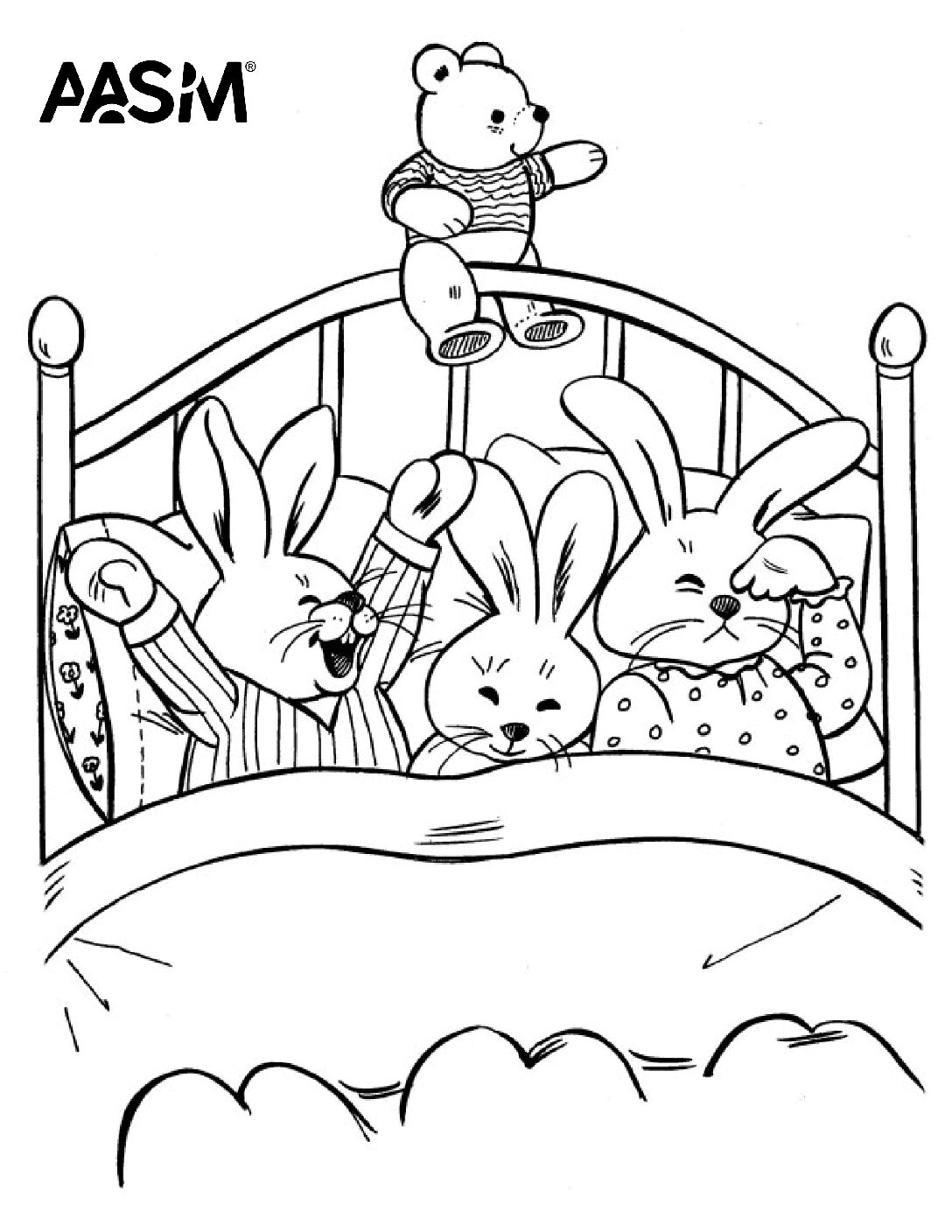
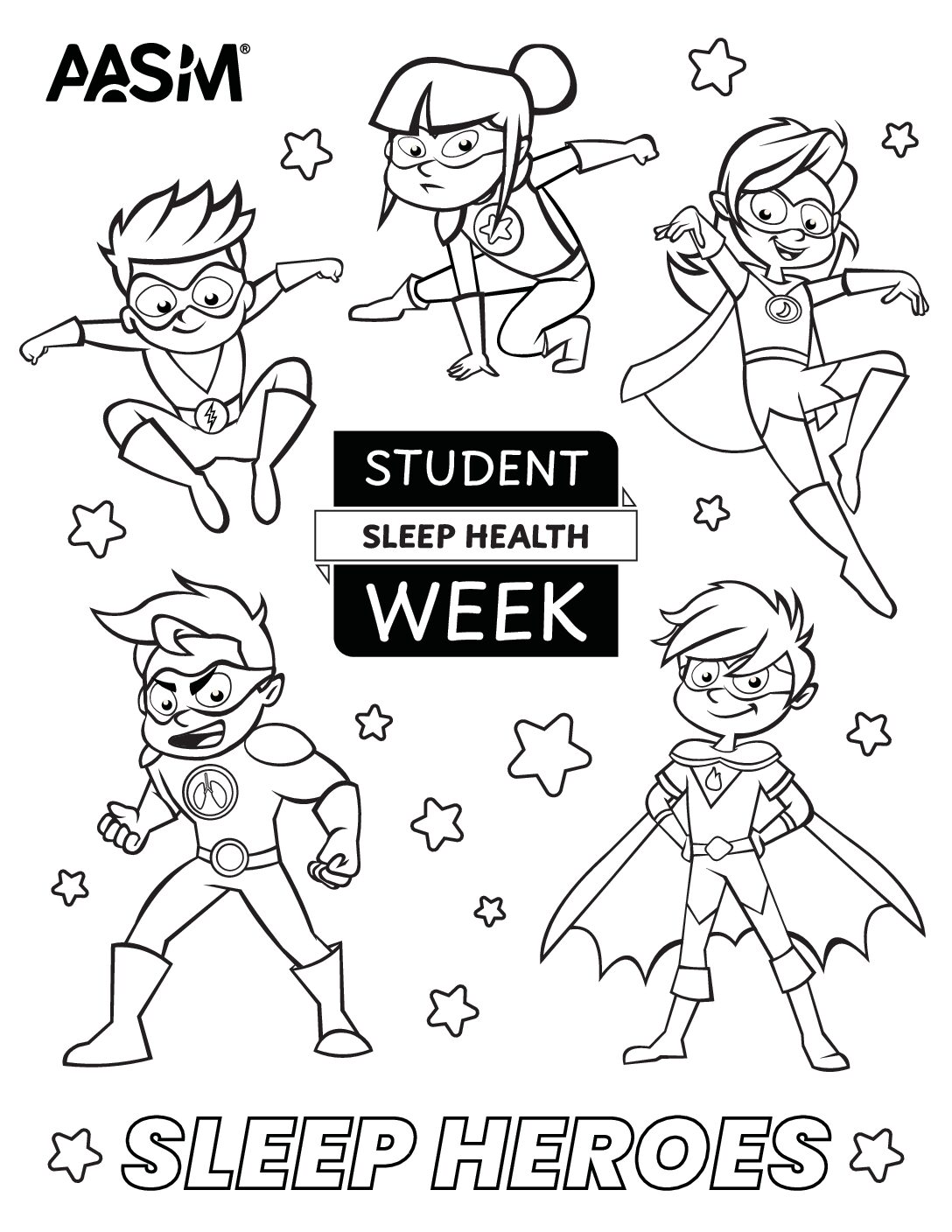
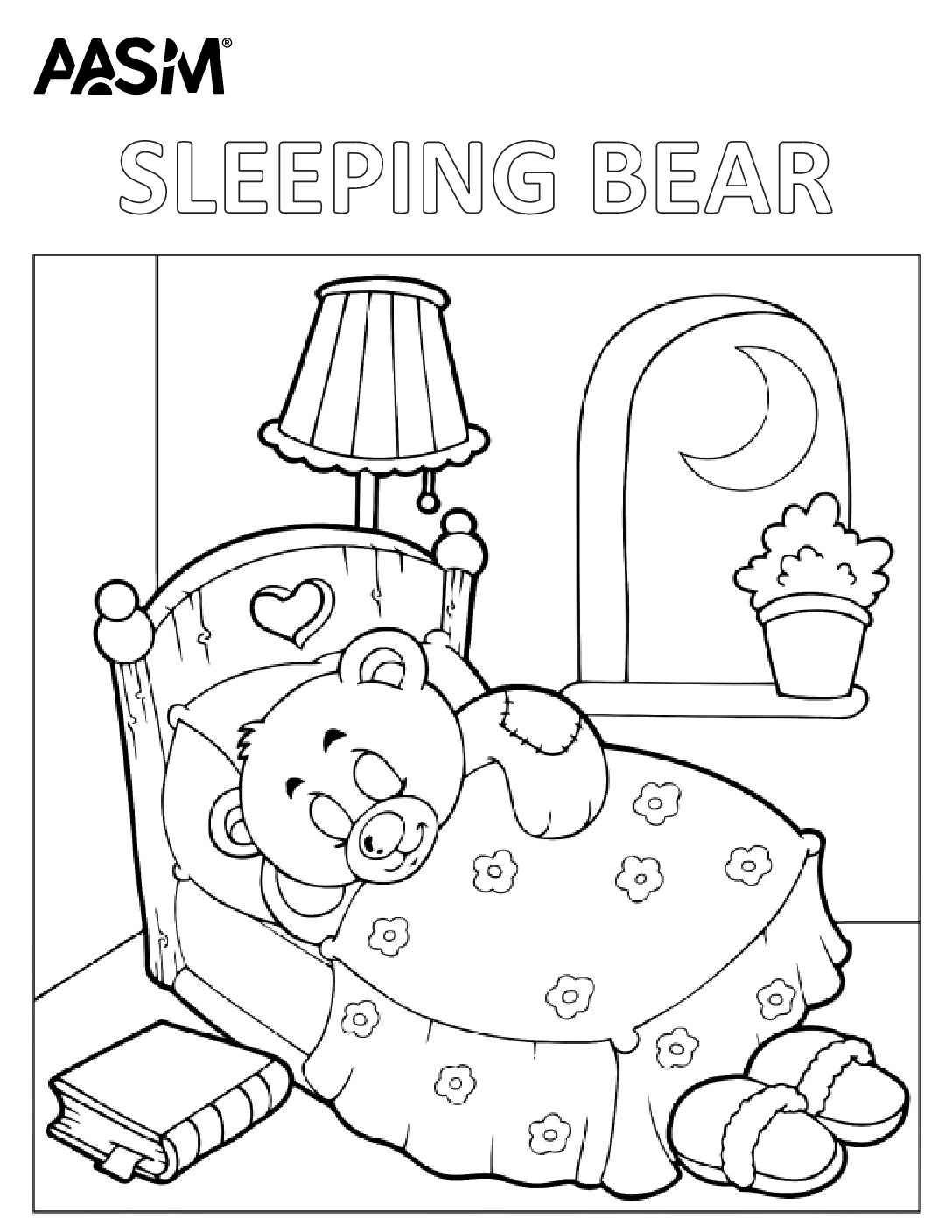
Encourage your class to color one of our healthy sleep coloring pages. Submit a few photos of their completed artwork, along with the completed submission form, for a chance to win a $100 gift card for your classroom.
Middle School (Ages 8–10)
Have your students bring healthy sleep to life by completing one of our coloring page activities. Submit a few images of their work, along with the completed submission form, for a chance to win a $100 gift card for your classroom.
Junior High (Ages 11–13)
Share how you promote healthy sleep in your classroom. Complete the submission form and include a brief description of your approach for a chance to win a $100 gift card for your class.
Enter the Sweepstakes!
Healthy sleep is a superpower, and we’re celebrating Student Sleep Health Week with a few prizes to help you prioritize yours.
How to enter:
- Follow @aasm_sleeped on Instagram or TikTok
- Tag up to 3 people in the comments
- Tell us: What’s one way healthy sleep helps you feel, learn, or perform at your best?
- Repost this post
Eligibility: Open to students who are high school age or older.
A winner will be selected after Student Sleep Health Week and contacted via DM.
See official giveaway rules for complete eligibility requirements.
Prizes:
- Apple AirPods Max 2
- Hatch Restore 3 Sunrise Alarm Clock & Sound Machine
- Calm Gift Card – 1 Year Subscription ($80 value)
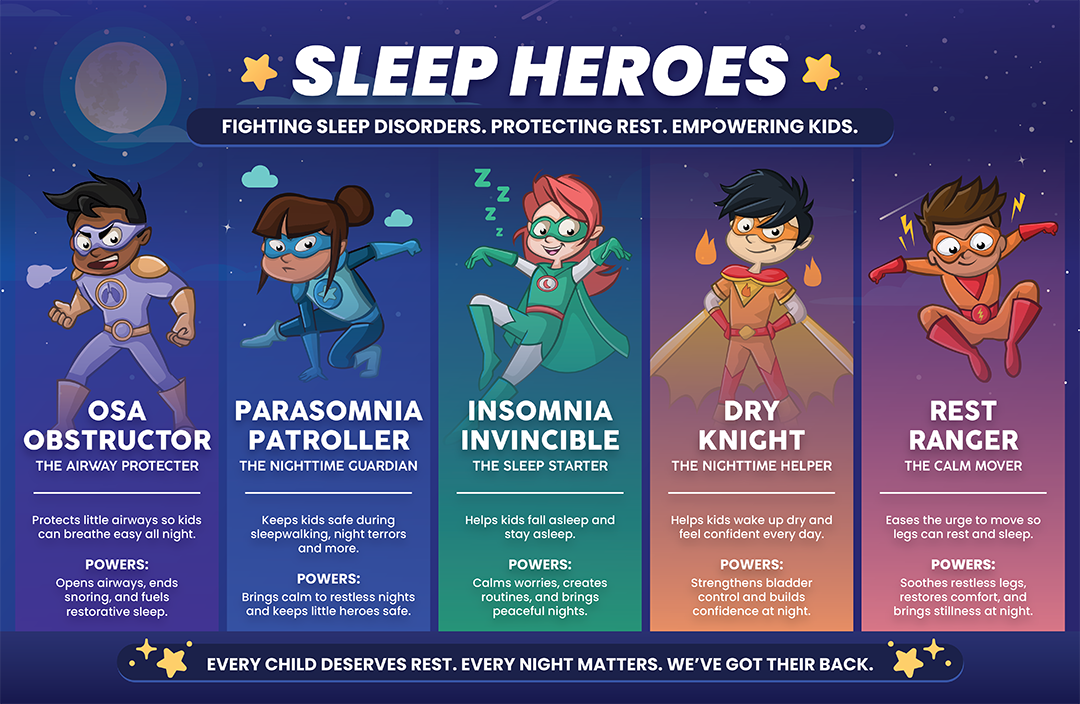
Meet the Superheroes
Free Student Sleep Health Week Poster
Looking for a fun way to spark conversations about pediatric sleep health? Request a free “Sleep Heroes” poster from the American Academy of Sleep Medicine.
Designed for clinics, schools, and other child-focused settings, this educational poster introduces common pediatric sleep disorders through a team of sleep superheroes, helping children and families better understand the importance of healthy sleep.
One free poster per address while supplies last. Complete the form to request yours today.
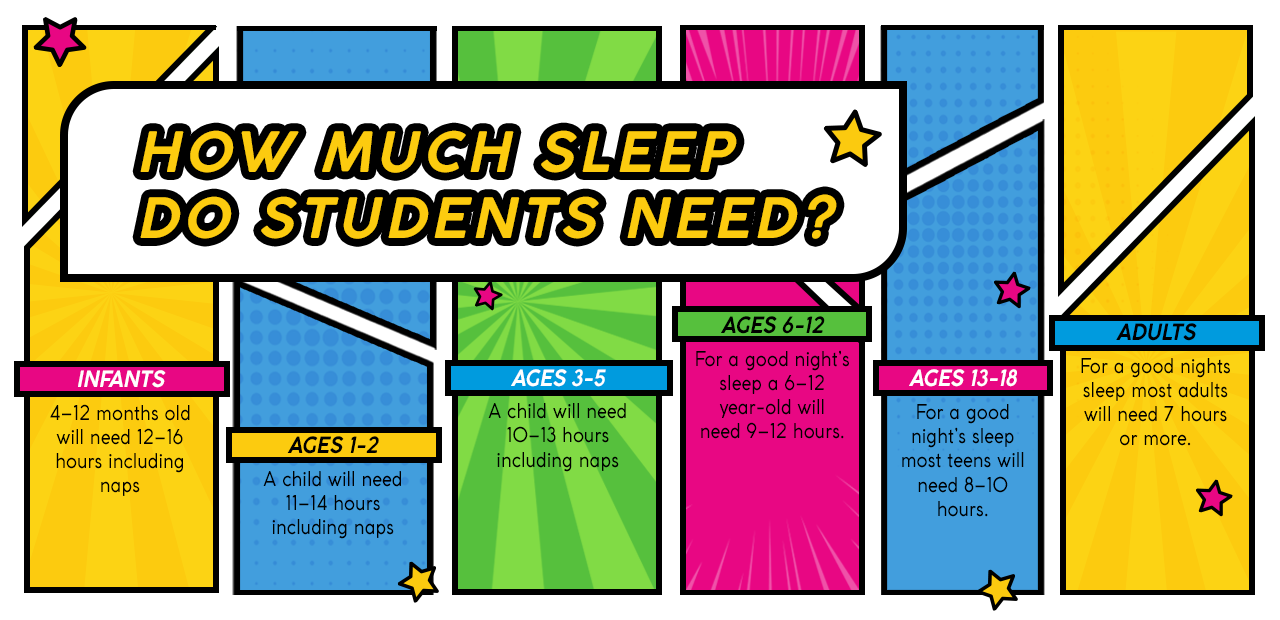
Use the AASM’s Bedtime Calculator to identify the appropriate bedtime by age and wake time.
Parents: Know the Signs
By recognizing these warning signs early, parents can help teens establish healthier sleep habits before sleep deprivation begins to affect their well-being.
Teachers: Bring Sleep into the Classroom
Click the items below to download and print.
Why does sleep matter?
Getting enough sleep is critical to the health and well-being of students of all ages. Sufficient sleep helps students:
- Excel in the classroom by maximizing attention, memory and learning abilities
- Perform better in sports by being faster, stronger and more accurate
- Feel positive and have a more optimistic attitude toward life
- Look their best and maintain a healthy weight
- Have fun and enjoy life by making better decisions and staying safe
The benefits of healthy sleep require not only adequate sleep duration, but also appropriate timing, daily regularity, good sleep quality and the absence of sleep disorders.
The AASM recommends:
- Elementary School: Children 6–12 years of age should sleep 9–12 hours per 24 hours on a regular basis to promote optimal health.
- Middle and High School: Teenagers 13–18 years of age should sleep 8–10 hours per 24 hours on a regular basis to promote optimal health.
When students don’t get the recommended hours of healthy sleep on a regular basis, it can lead to:
- Behavior and learning problems
- Hypertension
- Diabetes
- Obesity
- Mental health problems
Information based on the consensus statement issued by the AASM
How can students improve their sleep?
The back-to-school transition is an ideal time to get back on track with your sleep schedule.
- Begin to transition to a more structured sleep schedule at least two weeks before school starts.
- Gradually shift bedtime at least 15 minutes earlier each night and wake time 15 minutes earlier each morning until on the right schedule.
- Create a quiet, cool sleep environment.
- Develop a relaxing nightly routine, which may include reading, journaling or taking a warm bath or shower.
- Restrict screen time before bed.
- Maintain a consistent sleep schedule, whether classes are held in-person, online or in a hybrid format, including getting up and going to bed at regular times.
What time should school start?
According to the AASM, more than half of Americans (54%) say that school starts too early in the morning for middle school and high school students. In addition, 90% of parents say that early school start times have an impact on their child/teen’s ability to get enough sleep on school nights.
The AASM recommends a national standard of middle school and high school start times of 8:30 AM or later.
Why? During adolescence, internal circadian rhythms and biological sleep drive change to result in later sleep and wake times. As a result of these changes, early middle school and high school start times can:
- Curtail sleep
- Hamper a student’s preparedness to learn
- Negatively impact physical and mental health
- Impair driving safety
- Delaying school start times positively impacts student achievement, health and safety, and support is needed by educators to ensure that extracurricular activities don’t interfere with students’ need for healthy sleep.
About Student Sleep Health Week
Supported by a resolution introduced in the U.S. House of Representatives, the third week of September is designated as Student Sleep Health Week. The American Academy of Sleep Medicine is conducting Student Sleep Health Week (SSHW), from Sept. 14-18, 2026, to help students get the healthy sleep they need to excel this school year. Learn more about the supporting partners:
- Active Minds
- American College of Lifestyle Medicine
- American School Counselor Association
- Let Me Run
- National Association of School Nurses (NASN)
- Project Sleep
- Sleep Research Society
- Society of Health and Physical Educators (SHAPE America)
- Start School Later
We encourage you to post to social media in support of Student Sleep Health Week using the hashtags #SleepWellToExcel and #StudentSleepWeek. Don’t forget to tag AASM social media accounts (@AASMorg on Twitter and Instagram or @American Academy of Sleep Medicine on Facebook and LinkedIn) to gain a larger audience for your posts.
Resources for Educators
On its Sleep Education website, the AASM has compiled resources for educators that will help teachers, school nurses, counselors, and coaches raise awareness of the importance of sleep for students. These resources include:
- “Sleep Smart” lesson plan: Created by the AASM and Young Minds Inspired for third to fifth grade teachers
- “Circadian Rhythms and Sleep” lesson plan: Created by Scholastic and the National Institute of General Medical Sciences for middle school and high school teachers
- “Sleep 101” education program: Created by the nonprofit organization Healthy Hours in collaboration with sleep experts from Harvard Medical School and Brigham & Women’s Hospital for middle school and high school students
The AASM also encourages educators to share with their students the winning videos from the AASM’s annual high school video contest. Made by teens, the videos creatively highlight the importance of healthy sleep.