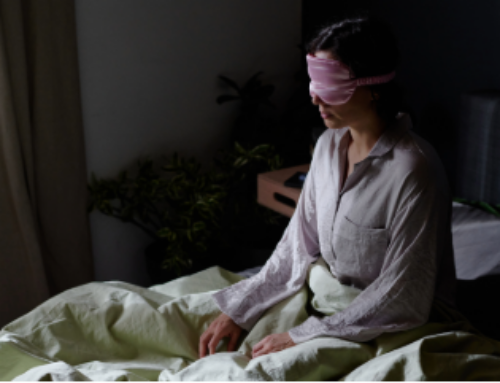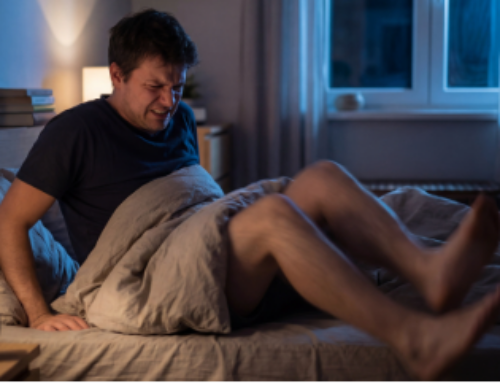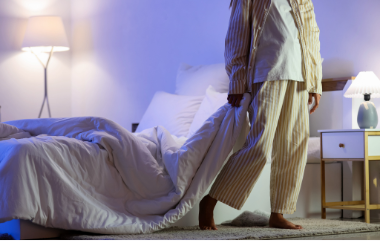
Most people stay relatively still while they sleep. However, some sleep disorders can cause a person to walk, move, or act out dreams without being fully awake. These behaviors can lead to falls, cuts, bruises, and other injuries.
These sleep disorders are called parasomnias. Parasomnias involve actions or experiences during sleep that are not under a person’s conscious control. Sleepwalking and REM sleep behavior disorder are among the parasomnias most commonly linked to safety concerns or injuries.
What is sleepwalking?
Sleepwalking occurs when a person gets out of bed or does other activities while not fully awake. It is also called somnambulism.
A person who sleepwalks may move through the home while still asleep. Because they are not fully aware of their surroundings, they may be at risk of tripping, falling, or bumping into furniture and other obstacles.
Someone who sleepwalks may leave the bedroom or even the home. This makes stairs, windows, exterior doors, and outdoor areas important safety concerns. Children who sleepwalk may need added safeguards, especially if their bedroom is on the second floor.
What is REM sleep behavior disorder?
During rapid eye movement sleep, most of the body’s muscles normally stay still. A person with REM sleep behavior disorder, or RBD, may move or act out a dream because the muscles do not remain still as expected.
RBD behaviors usually occur during the second half of the night. RBD is most commonly observed in middle-aged men, although it can affect women and any age group. RBD episodes rarely involve standing up and leaving the bed, but the movements can still be forceful enough to injure the person or a bed partner. People often seek medical attention only after an injury occurs.
In one study, 32% of patients had injured themselves and 64% of bed partners had been injured by behaviors such as punches, kicks, attempted strangulation, or assault with objects. Reported RBD injuries range from bruises and cuts to fractures and head injuries.
How common are serious sleep injuries?
Sleep-related injuries can vary widely. A study of 100 adults who visited a sleep disorders center because of repeated nighttime injuries found that night terrors or sleepwalking and RBD were the most common diagnoses in the group. Most of the patients had bruises, while some had cuts or fractures. Because the study included people who were already seeking care for repeated injuries, its findings do not show how often these injuries occur in the general public.
How to make the bedroom safer
Safety steps should match the person’s behaviors and surroundings. The following changes may help protect someone who sleepwalks or moves forcefully during sleep:
- Remove dangerous objects. Keep sharp, breakable, or heavy objects away from the bed. Move clutter and large objects out of the bedroom and hallways.
- Move furniture away from the bed. Create open space around the sleeping area so the person is less likely to strike a nightstand, dresser, or chair.
- Pad sharp corners. Add cushioning to the corners and edges of furniture near the bed.
- Consider a lower sleeping surface. For someone at risk of falling out of bed, placing the mattress on the floor may reduce the distance of a fall. Similarly, avoid bunk beds.
- Protect windows. Consider appropriate window safeguards, especially when sleepwalking involves leaving the bed.
- Lock exterior doors and windows. Make it harder for a person who is sleepwalking to leave the home without waking.
- Store weapons safely. Firearms and other weapons should be locked away outside the bedroom, with the key held by another person.
- Protect bed partners. A bed partner may need to sleep in a separate bed or room until symptoms are controlled.
- Add safeguards for children. If a child sleeps on the second floor, a safety gate at the bedroom doorway or top of the stairs may help. Families also should take steps to prevent the child from leaving the home.
Do not tie or strap a person to the bed. Restraints may be dangerous if the person makes sudden twisting movements. Focus instead on removing hazards, cushioning the sleep area, and discussing the behavior with a healthcare professional.
Sleep-related eating also can cause injuries
Sleep-related eating disorder is another parasomnia that may put a person at risk. Someone with this sleep disorder may prepare or eat food while not fully awake. The person may handle knives or other kitchen tools carelessly, consume or spill hot food and drinks, or eat inedible or toxic substances. Possible injuries include cuts, burns, poisoning, and internal injuries.
Families may need to look beyond the bedroom when making the home safer. The kitchen and the path between the bedroom and kitchen also may contain hazards.
When to talk with a doctor
Speak with a doctor if nighttime behaviors are frequent, forceful, or likely to cause injury. Medical care is especially important if the person has fallen, left the home, handled a dangerous object, or injured a bed partner.
A detailed history and an overnight sleep study may help identify the cause of the behavior. Video recorded during a sleep study can help a sleep specialist distinguish RBD or sleepwalking from seizures and other conditions that may cause unusual movements during sleep.
A safe bedroom cannot replace medical care, but it can reduce injury risk while the sleep disorder is being evaluated and treated. Even a few practical changes, such as clearing the floor, padding furniture, and securing doors and windows, can help make nighttime safer for everyone in the home.
Medical review by Margaret Hovda, MD
This article was created using editorial tools, including AI, as part of the process. Human editors reviewed this content before publication.