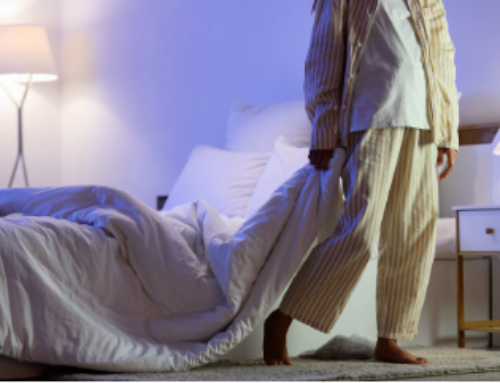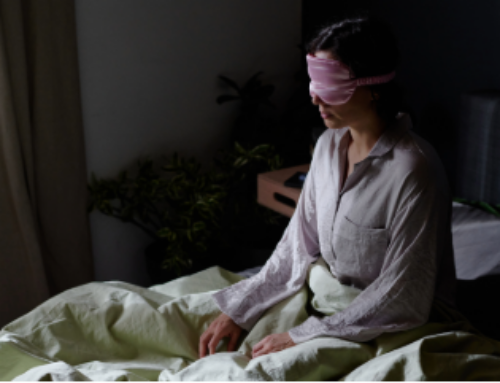
You took a sleep apnea screening and learned that you may be at higher risk. What does that mean?
First, a high-risk screening result does not mean you have obstructive sleep apnea (OSA).
Screening tools look for symptoms, physical features, and other factors linked to sleep apnea. They can identify people who may need further evaluation, but they cannot diagnose the disorder.
In a 2025 health advisory, the American Academy of Sleep Medicine noted that sleep apps and devices can provide useful information about your sleep, but they cannot diagnose sleep apnea or confirm that you do not have it. Even if a device shows that you are at higher risk, it is important to discuss the result with a health professional.
A diagnosis requires a comprehensive sleep evaluation and appropriate testing.
What did the screening look for?
A sleep apnea screening considers several clues that can point to a higher risk.
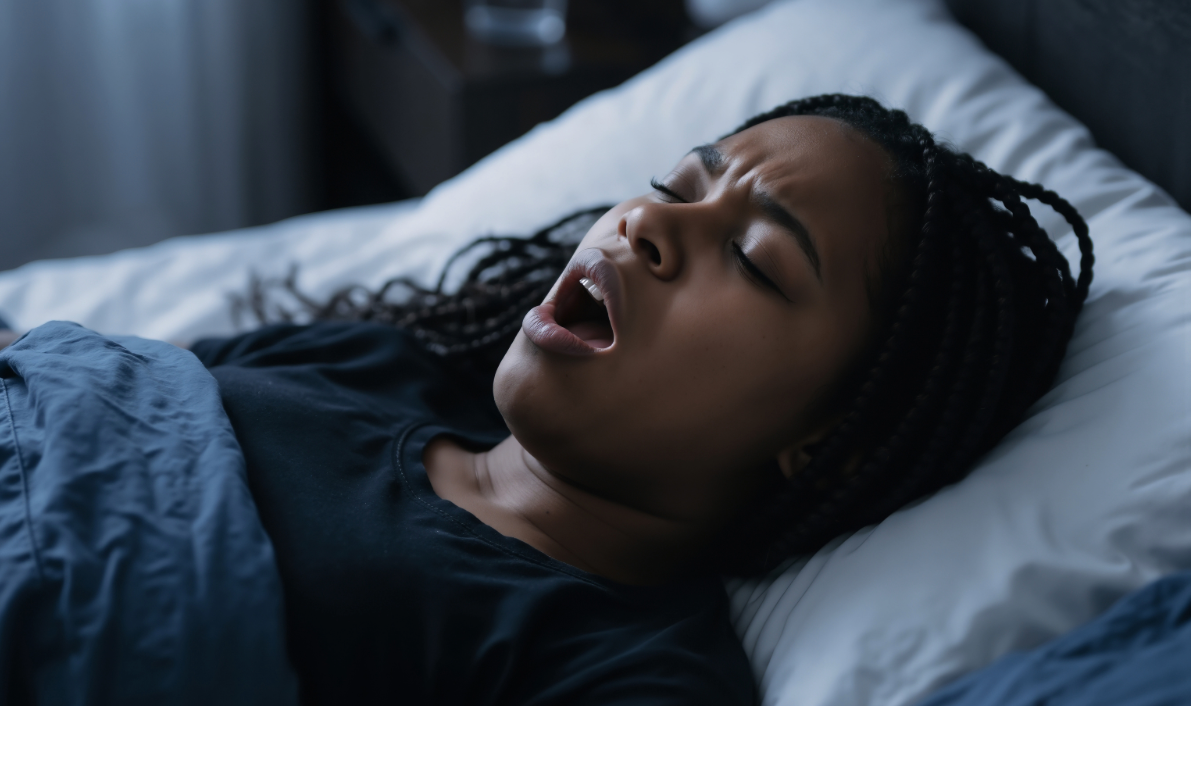
Symptoms during sleep may include loud snoring, pauses in breathing, gasping for breath, insomnia, and unrefreshing or restless sleep. You also may wake frequently during the night to use the bathroom.
During the day, people with sleep apnea may experience sleepiness or fatigue, morning headaches, irritability, memory problems, and difficulty concentrating. Some people also experience drowsy driving.
Some people may not realize what happens while they are asleep. A bed partner or family member may be the first to notice loud snoring, gasping, or pauses in breathing.
Physical features also can increase your risk. Excess body weight is a major risk factor for sleep apnea, although people of any body size can have the disorder. Other risk factors include a larger neck, enlarged tonsils or tongue, a small or recessed jaw, nasal polyps, or a deviated septum.
Other health conditions also may be important. High blood pressure, coronary artery disease, stroke, heart failure, atrial fibrillation, and type 2 diabetes are among the medical conditions commonly seen in people with sleep apnea.
Your age, sex, and family history also can affect your risk. Sleep apnea is more common in men, and the risk for women increases with menopause. Having a family member with sleep apnea also increases your risk.
You do not need to have all of these symptoms or risk factors to have sleep apnea. Likewise, having one or more risk factors does not mean that you have it.
A high-risk result is not a diagnosis
A screening can tell you that you may be at higher risk for sleep apnea. It cannot tell you whether you actually have it.
Clinical tools, questionnaires, and prediction methods should not be used on their own to diagnose OSA. Diagnosis requires either an overnight sleep study, which is performed in a sleep center, or a home sleep apnea test.
Think of your screening result as a reason to take the next step, not as a final answer.
So, what happens next?
Talk with a health professional about your screening results.
Your clinician will consider the screening result along with your symptoms, sleep history, health history, and physical exam. This comprehensive sleep evaluation helps determine whether you need a sleep study and which test is appropriate for you.
Before your appointment, it may help to write down the symptoms you have noticed. Keeping a sleep diary for two weeks can be helpful. Ask a bed partner whether they have noticed snoring, gasping, or pauses in your breathing during sleep.
You also can bring a copy of your screening or self-assessment results to discuss with your clinician.
You may need a sleep study
The right type of sleep study depends on your individual circumstances. Some people may be able to complete a home sleep apnea test, while others may need an overnight sleep study in a sleep center.
If a home sleep apnea test is negative, unclear, or does not collect enough information, that may not be the end of the evaluation. If your sleep team still suspects sleep apnea, an overnight sleep study may be the next step.
Take the next step
If your screening shows that you are at higher risk for sleep apnea, don’t treat the result as a diagnosis. Don’t ignore it either.
Talk with a health professional about your screening result, symptoms, and risk factors. A comprehensive sleep evaluation and, when appropriate, a sleep study can determine whether you have sleep apnea and what should happen next.
You can also use a self-assessment tool to review common symptoms and risk factors and discuss your results with your clinician.
Medical review by Ahmed Saleh, MD
This article was created using editorial tools, including AI, as part of the process. Human editors reviewed this content before publication.