You hear someone in your household talking in their sleep. Another night, they sit up in bed looking confused. Later, you find them walking through the house while still asleep.
These nighttime behaviors can be surprising and sometimes alarming. But they may be signs of related sleep disorders known as non-rapid eye movement (NREM) disorders of arousal.
This group includes sleepwalking, confusional arousals, and sleep terrors. Because these events share many of the same features, it can be difficult to know exactly what you are seeing. Understanding the differences can help you decide whether it is time to talk with a doctor.
How are these sleep disorders similar?
Sleepwalking, confusional arousals, and sleep terrors all occur when a person partially wakes from deep sleep. These episodes usually happen during the first third or first half of the night, when slow-wave sleep is most common.
During an episode, a person may:
- Have their eyes open
- Appear awake but seem confused
- Respond poorly to others
- Be difficult to awaken
- Have little or no memory of the event the next morning
The disorders also can overlap. In some cases, an episode may begin with confusion in bed and later progress to walking around the home.
Sleepwalking: Leaving the bed while asleep
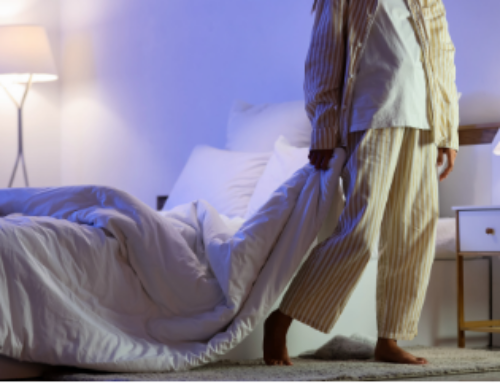
Sleepwalking occurs when a person gets out of bed and walks or performs other activities while still asleep. Some people simply walk through the house. Others may engage in more complex behaviors before returning to bed.
Most people who sleepwalk have little or no memory of the event.
One reason sleepwalking can be confusing is that it often begins as a confusional arousal. A person may first sit up in bed looking confused before eventually getting up and walking.
Confusional arousals: Confused but staying in bed
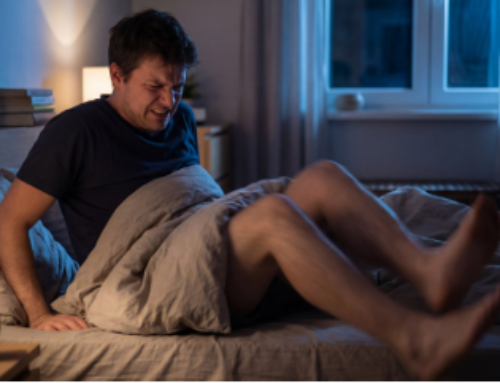
A confusional arousal may cause a person to sit up in bed, look disoriented, or say things that do not make sense.
To an observer, the person may appear awake. In reality, they are only partially awake and often do not understand what is happening around them.
The most important clue is that the person remains in bed. If they get up and begin moving around, the episode is no longer considered a confusional arousal.
Sleep terrors: An episode marked by fear
Sleep terrors, also called night terrors, are often the most dramatic of the three disorders.
A person may suddenly cry out or scream. They may sit upright in bed and appear frightened. Rapid breathing, sweating, and a racing heartbeat also may occur.
These episodes can be upsetting for family members because the person appears intensely fearful. However, the person usually is not fully awake and often remembers little or nothing about the event afterward.
The intense fear and strong physical signs are what distinguish sleep terrors from sleepwalking and confusional arousals.
Who is affected?
These disorders are most common in children and often resolve by puberty. However, they can continue into adulthood or begin later in life.
Several factors may increase the likelihood of an episode, including:
- Sleep deprivation
- Stress
- Illness
- Unfamiliar sleeping environments
- Sleep-related breathing problems
When should you seek help?
If you are concerned about unusual behaviors during sleep, pay close attention to what happens during the episode. Details such as whether the person walked around, stayed in bed, or appeared terrified can help identify the type of event.
It is also important to consider safety. Sleepwalking and other NREM disorders of arousal can sometimes lead to injury. Talk with a doctor if episodes occur frequently, result in injury, or create safety concerns.
A sleep doctor can help determine what may be causing the episodes and whether treatment is needed.
Key takeaways
Sleepwalking, confusional arousals, and sleep terrors are related sleep disorders, but they are not the same thing. The easiest way to tell them apart is to focus on the person’s behavior during the episode.
- Getting out of bed and walking points to sleepwalking.
- Staying in bed while confused points to a confusional arousal.
- Sudden fear, screaming, and physical signs of distress point to a sleep terror.
Because these disorders can overlap or evolve, a description from someone who witnessed the event can provide valuable clues and help guide the next steps.
Medical review by Helena Schotland, MD
This article was created using editorial tools, including AI, as part of the process. Human editors reviewed this content before publication.