

Sleep better while traveling with these simple tips
Whether you’re traveling for work or taking a vacation, getting a good night’s sleep away from home can be a challenge. About one in four adults say they sleep worse when traveling. According to an American Academy of Sleep Medicine survey, 23% of adults sleep worse during business travel, [...]
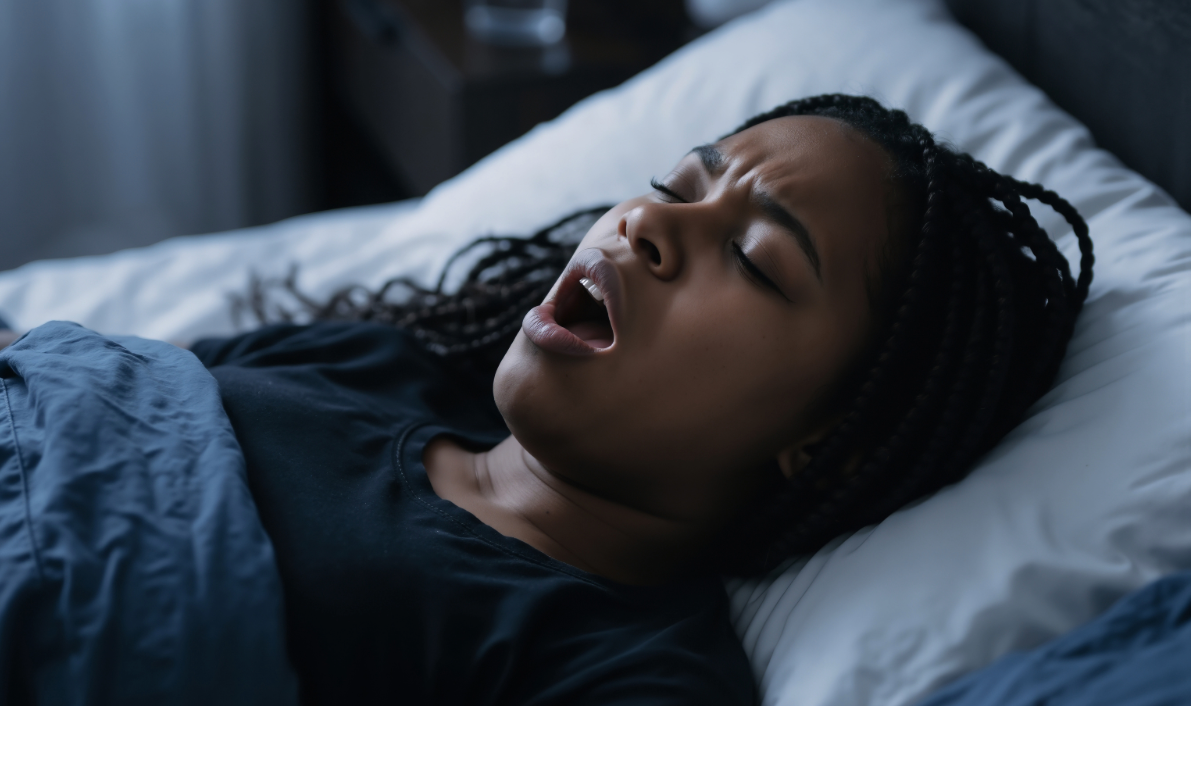
High risk for sleep apnea? What to do next
You took a sleep apnea screening and learned that you may be at higher risk. What does that mean? First, a high-risk screening result does not mean you have obstructive sleep apnea (OSA). Screening tools look for symptoms, physical features, and other factors linked to sleep apnea. They can [...]
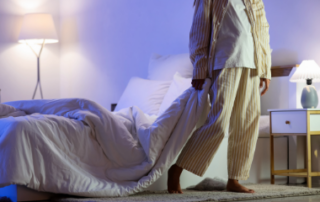
Sleep injuries: How to make the bedroom safer
Most people stay relatively still while they sleep. However, some sleep disorders can cause a person to walk, move, or act out dreams without being fully awake. These behaviors can lead to falls, cuts, bruises, and other injuries. These sleep disorders are called parasomnias. Parasomnias involve actions or experiences during [...]
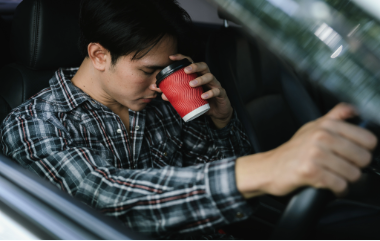
Drowsy driving: Why coffee is not a cure
Have you ever struggled to keep your eyes open while driving? You are not alone. An American Academy of Sleep Medicine survey found that 41% of adults have felt so sleepy while driving that it affected their ability to drive safely. Drowsy driving can put you, your passengers, and everyone [...]
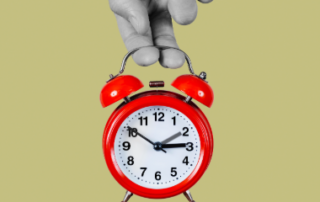
How to adjust when daylight saving time ends
In most parts of the United States, clocks will "fall back" one hour on Sunday, Nov. 1, marking the end of daylight saving time. While some people welcome the extra hour of sleep, many Americans would prefer to stop changing their clocks twice a year. As public support grows for [...]

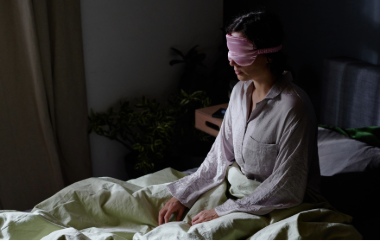
Sleepwalking, confusional arousals, or sleep terrors: What happened during the night?
You hear someone in your household talking in their sleep. Another night, they sit up in bed looking confused. Later, you find them walking through the house while still asleep. These nighttime behaviors can be surprising and sometimes alarming. But they may be signs of related sleep disorders known as [...]