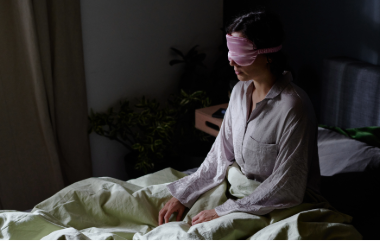
Sleep is essential to health, but for many women, getting a full night of quality sleep becomes more difficult during menopause. Hormonal changes can disrupt sleep in several ways, making it harder to fall asleep, stay asleep, and feel rested the next day.
Survey data from the American Academy of Sleep Medicine show that sleep problems are common during this stage of life. More than one-third of women ages 45 to 64 report frequent nighttime waking (37%), and a similar percentage experience night sweats or hot flashes that interrupt sleep (35%). Many also report increased daytime fatigue (29%) and difficulty falling asleep (27%). Only a small percentage (6%) say their sleep remains unchanged during menopause.
These challenges are not unusual. Research indicates that sleep disturbances affect between 40% and 60% of menopausal women, with common issues including insomnia, frequent awakenings, and feeling unrefreshed after sleep.
Why sleep is so important
Getting enough sleep supports overall health and well-being. Experts recommend that adults should sleep seven hours or more each night on a regular basis. However, about 30% of women do not meet this guideline.
Sleep problems during menopause are not just uncomfortable. Research suggests that how well a woman sleeps during this transition may influence her long-term health. Poor sleep quality during and after menopause has been linked to a higher risk of heart disease and stroke.
Sleep also plays a role in daily functioning. When sleep is disrupted, women may experience fatigue, mood changes, and difficulty concentrating, all of which can affect quality of life.
Why menopause affects sleep
Hormonal changes are a key reason sleep becomes more difficult. Shifts in hormone levels can contribute to symptoms such as hot flashes, night sweats, and changes in mood, all of which can interfere with sleep.
Research also shows that sleep patterns earlier in life may influence sleep during menopause. Women who had poor sleep before menopause are more likely to experience ongoing sleep problems during the transition.
Despite how common these challenges are, experts emphasize that poor sleep should not be accepted as inevitable. Effective treatments and strategies are available.
Tips to improve sleep during menopause
Sleep experts recommend several practical steps that can help women improve sleep quality during menopause:
- Keep a consistent sleep schedule. Go to bed when you feel sleepy and wake up at the same time each day, including weekends.
- Cool your sleeping space. Maintain a comfortable bedroom temperature and consider moisture-wicking bedding to reduce discomfort from night sweats.
- Stay active during the day. Regular physical activity can support better sleep and help ease symptoms such as fatigue and mood changes. Avoid intense exercise close to bedtime.
- Eat a balanced diet. Regular, balanced meals can help maintain steady energy levels and support consistent body rhythms.
- Limit caffeine and alcohol. Both can interfere with sleep, especially when consumed later in the day.
- Reduce screen time at night. Turn off phones, tablets, and TVs 30 to 60 minutes before bed to help your body prepare for sleep.
- Talk to a healthcare professional. If menopause is affecting your sleep, seek guidance. Effective treatments are available, and improving sleep is an important step toward protecting long-term health.
The bottom line
Sleep challenges during menopause are common, but they are not something women have to simply accept. Making small changes to daily habits and seeking help when needed can make a meaningful difference. Prioritizing sleep is an important part of supporting both short-term well-being and long-term health.