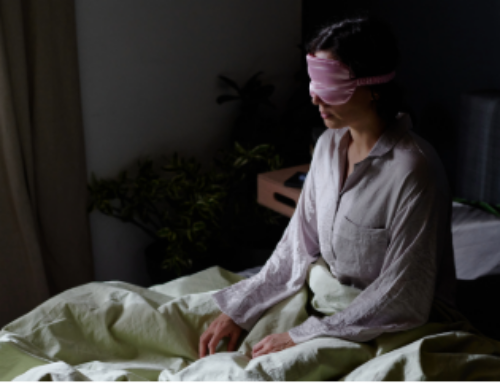
Is your teen staying up past midnight and sleeping in late? That habit might be doing more than making mornings rough. A new study from Penn State College of Medicine found that teens who keep later bedtimes and wake times were more likely to consume more calories, snack more, and be less physically active.
What the study found
Researchers studied 373 adolescents from the Penn State Child Cohort, a long-running, population-based study established in 2000. Participants were between the ages of 12 and 23, with an average age of 16.4 years.
Published in the journal Sleep Health, the study went beyond just tracking how long teens slept. The researchers monitored sleep timing, regularity, and quality using wrist-worn wearables, self-reported surveys, and in-lab sleep studies. They also tracked food and snack intake and physical activity.
Teens who typically went to bed after midnight and woke up after 8 a.m. consumed more calories, especially from carbohydrates, and were more sedentary. They also snacked more, particularly later in the day and at night. Because they slept in, many skipped breakfast. Instead, they ate a late-evening snack that tended to be less healthy than a typical breakfast. Teens with highly variable sleep, switching between short and long nights, were also less physically active overall.
Why does sleep timing affect eating and activity? The body’s internal clock does more than regulate sleep. It also governs metabolism, hunger, food cravings, and the desire to move or rest. When teens have late or irregular sleep schedules, it can throw those systems off.
These patterns were about two times stronger during the school year. When teens had to wake up early for school while their body pushed them to stay up late, it triggered a cascade of unhealthy eating and inactivity. During breaks, the connection weakened. But snacking still increased when kids were out of school.
Why teen sleep matters
So why are so many teens struggling with sleep? A lot of it comes down to biology. During adolescence, the body’s circadian rhythm and biological sleep drive shift to produce later sleep and wake times. Teens are wired to stay up later and sleep later.
However, early school start times work against this natural shift and can curtail sleep, affect learning, negatively impact health, and impair driving safety. The AASM recommends that middle and high school start times be 8:30 a.m. or later. More than half of Americans (54%) say school starts too early for these students, and 90% of parents say early start times affect their child’s ability to get enough sleep on school nights.
The numbers tell the story. About 78% of high school students and 34% of children don’t get enough sleep on an average school night. The AASM recommends that teens ages 13 to 18 get 8 to 10 hours of sleep per night to promote optimal health.
When students consistently miss that target, it can lead to behavior and learning problems, obesity, diabetes, high blood pressure, and mental health problems. On the flip side, getting enough quality sleep helps students excel in the classroom, perform better in sports, feel more positive, and maintain a healthy weight.
Healthy sleep is about more than just total hours. It also requires appropriate timing, daily regularity, good quality, and the absence of sleep disorders.
This video explains why teenagers are biologically wired to be night owls, the challenges they face getting enough sleep, and advice on how to build positive sleep habits.
What parents can do
The Penn State researchers suggest that improving the timing and regularity of teen sleep could be a key strategy for healthier habits overall.
Parents and caregivers can help by encouraging earlier bedtimes, longer sleep duration, and consistent sleep schedules, especially during the school year, while reducing late-night snacking and sedentary behavior when kids are on break. Read more tips to establish healthy sleep habits.
For more information about healthy teen sleep and resources for students and parents, visit the AASM’s Student Sleep Health Week page. Student Sleep Health Week will take place Sept. 14-18, 2026.
Medical review by Ahmed Saleh, MD
Additional resources
- Take a short quiz to learn how to get a better night’s sleep.
- Calculate your ideal bedtime.
- Get support from a sleep center.