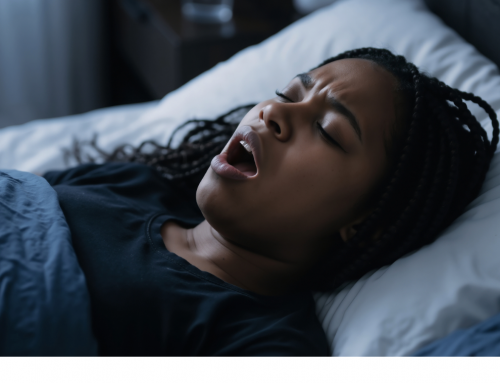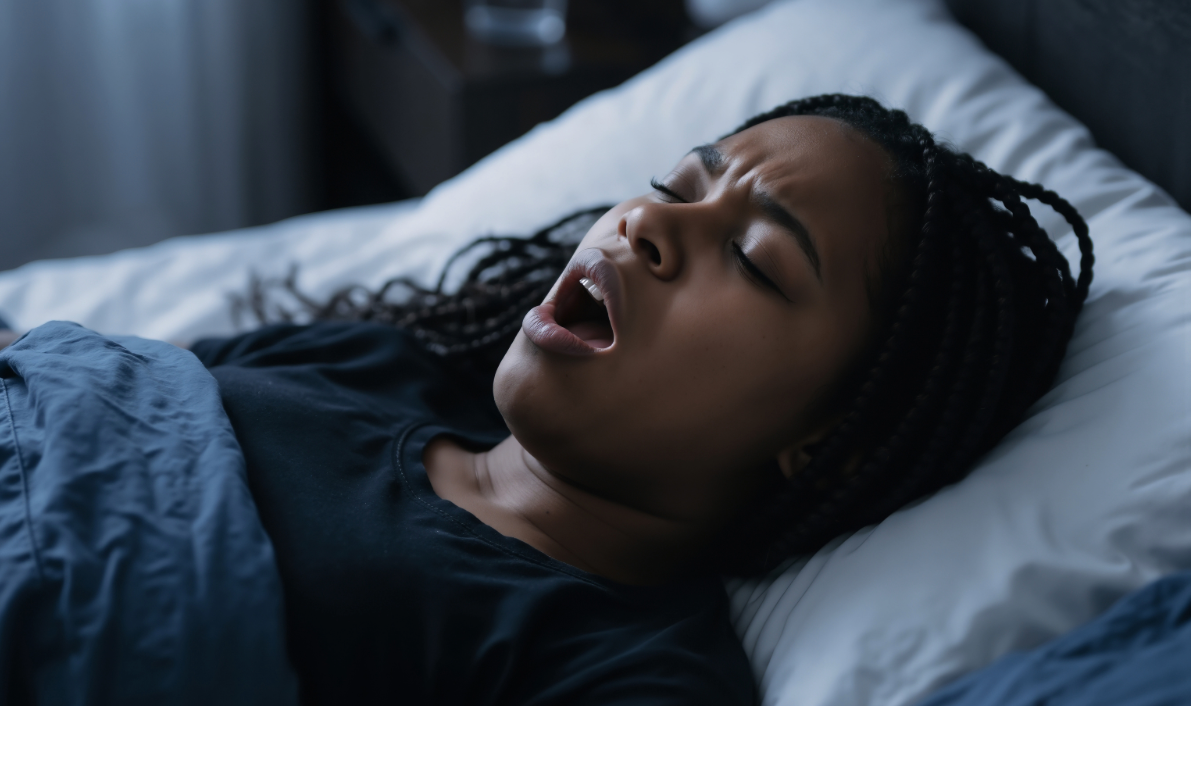
Whether you’re traveling for work or taking a vacation, getting a good night’s sleep away from home can be a challenge.
About one in four adults say they sleep worse when traveling. According to an American Academy of Sleep Medicine survey, 23% of adults sleep worse during business travel, and 25% say the same about leisure travel. But some people actually sleep better while away. About one-third of adults say they sleep better when traveling for leisure.
Age also may affect how people sleep while traveling. Adults ages 25 to 34 were the most likely to say they sleep worse during business travel, but they were also the most likely to report better sleep during leisure travel. By comparison, adults 65 and older were less likely to report better sleep during leisure travel and more likely to say travel had no impact on their sleep.
Changes to your normal routine can make it harder to get the quality sleep you need. An unfamiliar bed or room, a busy schedule, stress, and changes in light exposure can all affect your sleep while you’re away from home.
How travel can affect your sleep
Traveling across multiple time zones can present another challenge: jet lag.
Light and darkness help set your body’s internal clock. When you travel to a new time zone, those signals suddenly change. Your body may need time to adjust to the new schedule.
Jet lag can cause daytime sleepiness and make it difficult to fall asleep at night. It also can affect your ability to think clearly and function during the day.
The good news is that a little planning can help you protect your sleep while you travel.
Tips for better sleep while traveling
The AASM recommends these tips for better sleep when you’re away from home:
- Keep a consistent sleep schedule. Vacations and work trips can disrupt regular routines. Aim to go to bed and wake up at consistent times and plan your itinerary so you have enough time to sleep. Adults should regularly sleep seven or more hours per night.
- Make your sleeping environment comfortable. Hotel rooms, guest rooms, and unfamiliar beds can make it harder to fall asleep. Create a calming space for sleep by making your room cool, dark, and quiet.
- Get natural light during the day. Light helps regulate the body’s internal clock. Spending time outdoors during the day, especially in the morning, can support healthy sleep timing and help maintain a regular sleep-wake schedule.
- Plan ahead to minimize jet lag. When traveling across time zones, gradually adjust your sleep schedule before departure to align with your destination. Once you arrive, follow the local sleep schedule and spend time outdoors during daylight hours to help your body’s internal clock adjust.
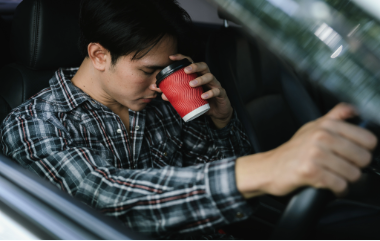
- Be mindful of caffeine and alcohol. Coffee, energy drinks, and other sources of caffeine can interfere with sleep, particularly when consumed too close to bedtime. Alcohol can also reduce sleep quality and contribute to disrupted rest. Avoid relying on either to manage travel-related fatigue.
Better sleep can make for a better trip
Getting enough sleep can help you enjoy your time away and return home feeling rested instead of exhausted. As you plan your next trip, make sleep part of the itinerary.